Energy Crisis in Northern Cyprus and Possible Solutions: From Solar Power to Stability Through Cooperation
In recent months, Northern Cyprus has experienced frequent electricity outages, bringing energy security back into public focus.
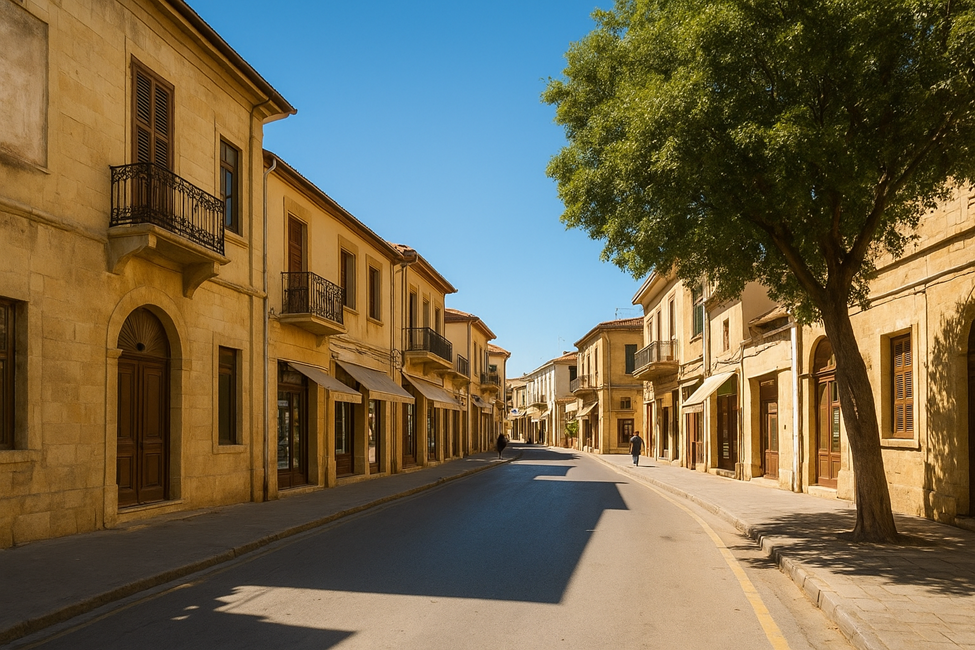
The historic architecture of Nicosia's old town (AI Generated)
These outages affect daily life, economic activity, and public services.
Electricity production relies heavily on imported fossil fuels — a costly and unsustainable model.
Rising fuel prices, aging infrastructure, and high maintenance costs weaken supply security.
Limited renewable investment and insufficient capacity worsen the crisis.
With over 300 sunny days a year, Cyprus has strong solar potential.
Solar strategy improvements may include:
Large-scale solar farms
Rooftop distributed solar
Energy storage and microgrids
Energy is tied to the political landscape of the island.
The Republic of Cyprus is linked to the EU energy network.
The North–South emergency electricity connection used in 2011 remains viable.
Reactivating it can provide stability and unlock EU-supported projects.
Northern Cyprus must redefine its energy policy.
Local renewables and cooperation should be the priority.
The crisis also presents an opportunity for environmental and economic renewal.
The future of Cyprus lies in a clean, planned, and shared energy vision.